 Image 1 of 4
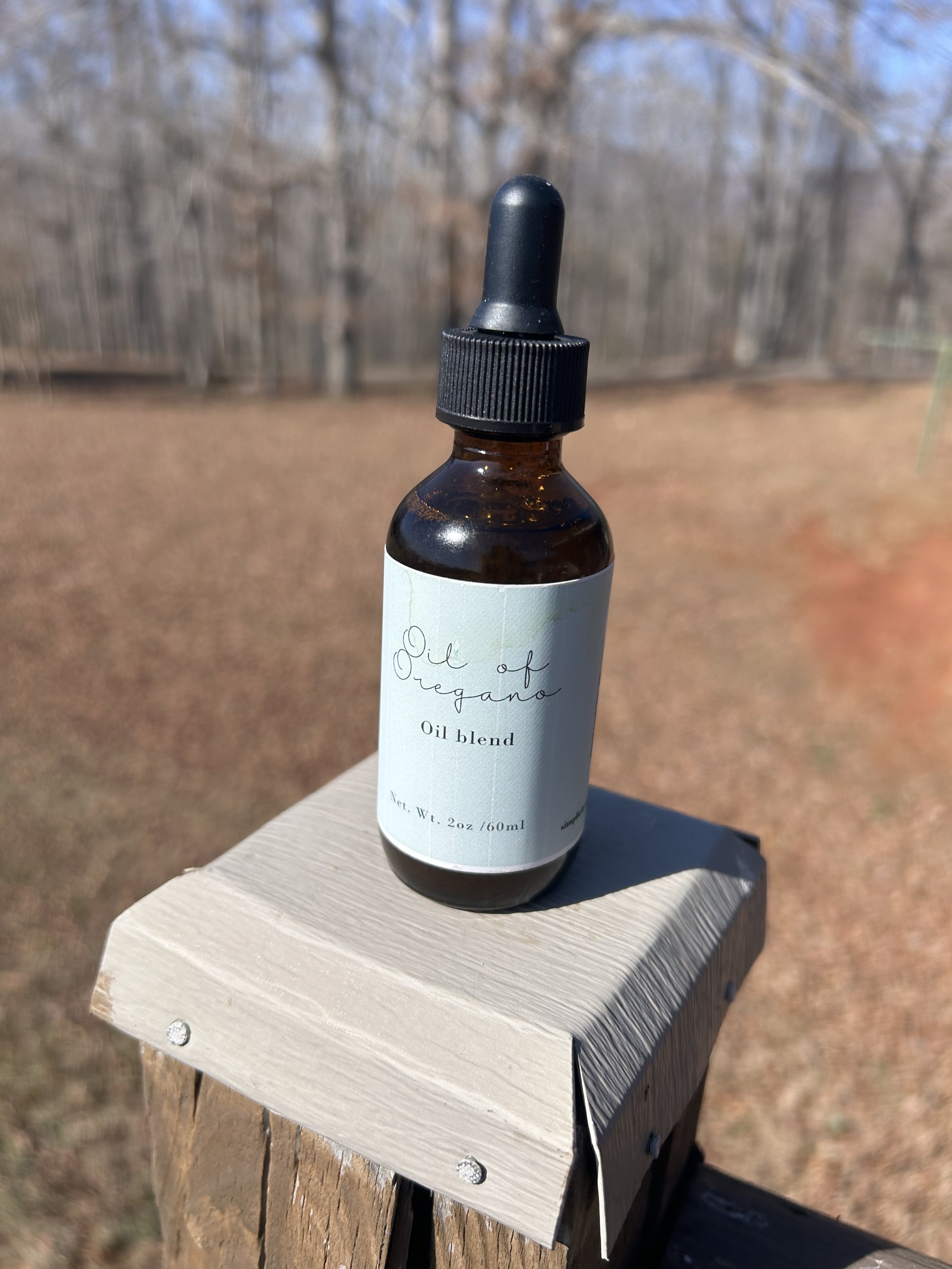 Image 2 of 4
 Image 3 of 4
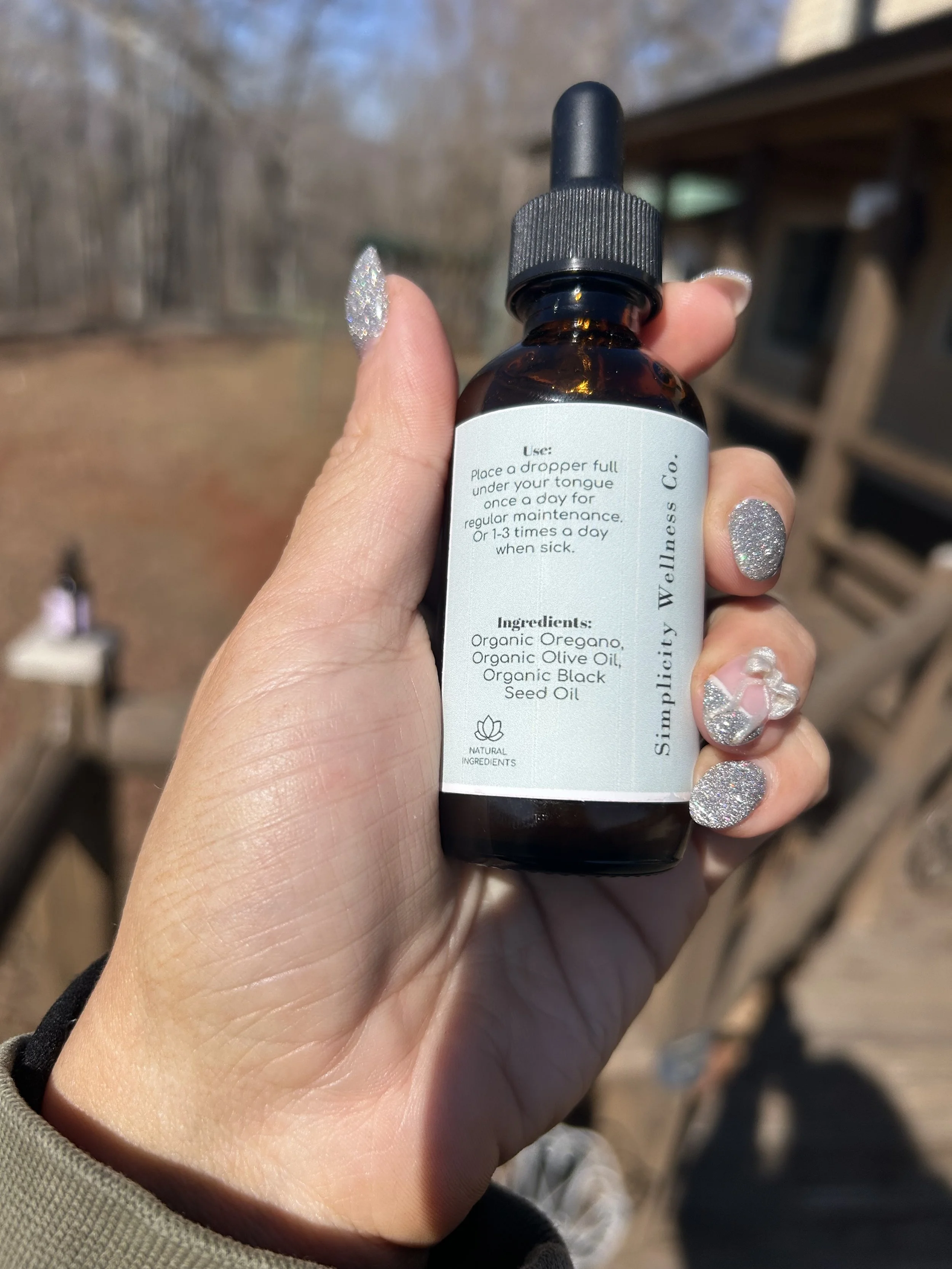 Image 4 of 4
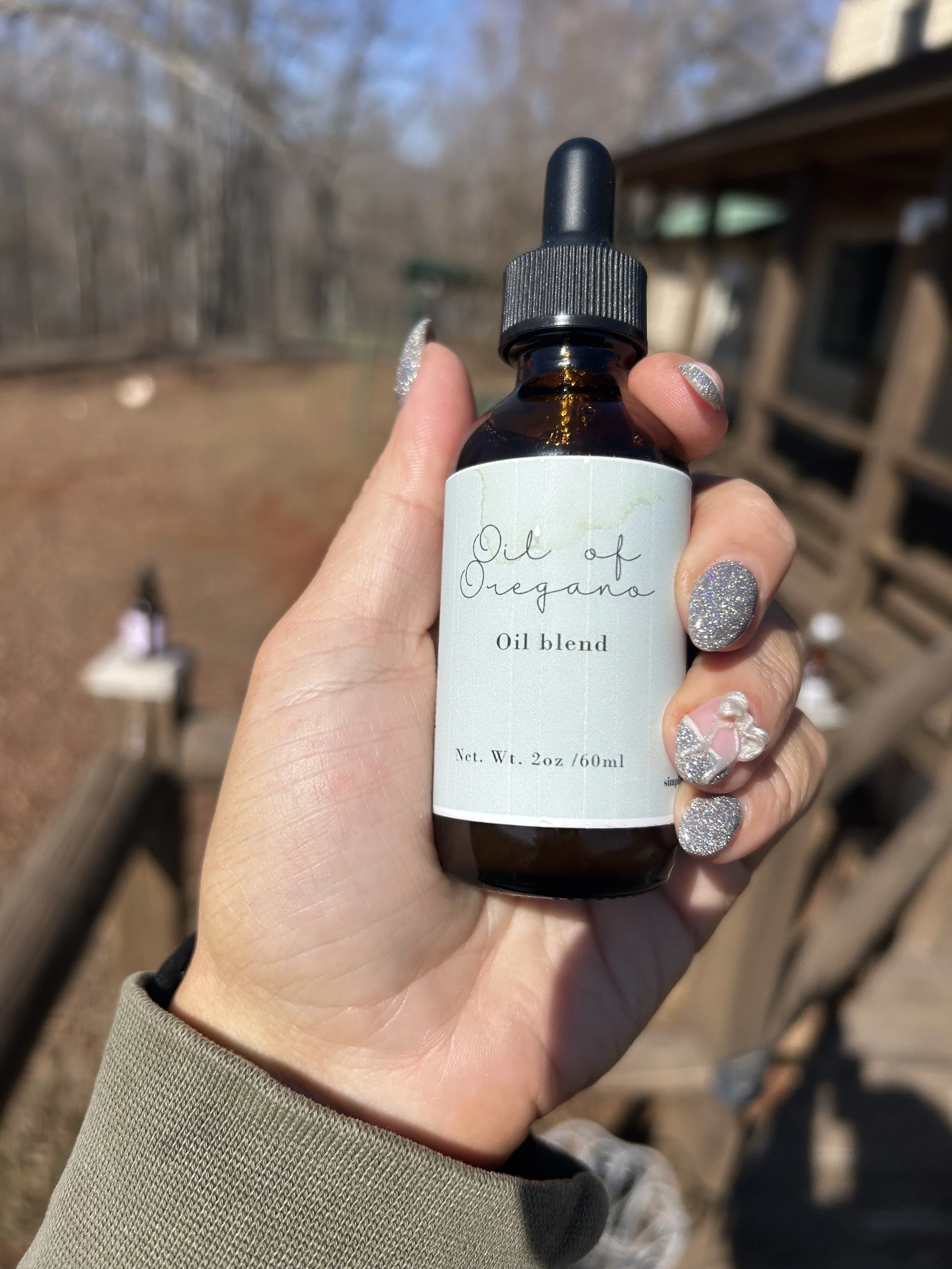
Oregano oil — typically extracted from the leaves and flowers of the Origanum vulgare plant — is a concentrated botanical remedy with a range of proposed benefits. We add Black seed oil to our oil of oregano to add additional benefits listed below.
Key active compounds
Carvacrol and thymol: Primary phenolic compounds responsible for antimicrobial, antifungal, and anti-inflammatory activity.
Rosmarinic acid and other polyphenols: Contribute antioxidant and anti-inflammatory effects.
Black Seed Oil
Potential benefits and supporting evidence
Antimicrobial and antibacterial: Oregano oil exhibits strong in vitro activity against a variety of bacteria, including some antibiotic-resistant strains. Carvacrol disrupts bacterial cell membranes and can reduce bacterial growth. Clinical evidence for systemic infections is limited; most data are from lab and topical studies.
Antifungal: Demonstrates effectiveness against common fungi such as Candida species in laboratory studies and some topical applications. May be useful as an adjunct for superficial fungal infections, though clinical trial data are sparse.
Antiviral activity: In vitro studies show activity against certain viruses, likely by disrupting viral envelopes or interfering with replication. Human clinical evidence is limited.
Anti-inflammatory: Carvacrol and other constituents can reduce inflammatory markers in animal and cell studies, suggesting potential for reducing inflammation-related symptoms.
Antioxidant effects: Polyphenolic compounds scavenge free radicals in lab studies, which may support cellular health and reduce oxidative stress.
Respiratory support: Traditionally used for respiratory conditions (cough, congestion) due to expectorant and antimicrobial properties. Some people use diluted oil in steam inhalation or as a component of topical rubs; controlled clinical data are limited.
Digestive support: Traditionally used to relieve indigestion and to help manage intestinal parasites and overgrowth (e.g., certain protozoa, bacterial imbalance). Evidence is inconclusive and mainly comes from small studies or anecdotal reports.
Skin applications: When properly diluted, oregano oil may help with minor skin infections, insect bites, and inflammatory skin conditions because of antimicrobial and anti-inflammatory effects. Patch testing and careful dilution are important to avoid irritation.
Safety, dosing, and administration
Internal use: Some people take oregano oil orally (capsules, tinctures, or diluted drops).
Pregnancy and breastfeeding: Avoid internal use and high-dose topical use during pregnancy and breastfeeding unless advised by a qualified provider.
Drug interactions: May interact with anticoagulants, diabetes medications, and potentially other drugs. Check with a clinician if you take prescription medications.
Allergies and sensitivity: Those allergic to Lamiaceae family plants (oregano, thyme, basil, mint, sage) may react. Perform a patch test for topical use.
Children and pets: Use caution — higher sensitivity in children and potential toxicity in pets if ingested. Keep products out of reach.
Bottom line Oregano oil contains potent antimicrobial, antifungal, anti-inflammatory, and antioxidant compounds.
Benefits of Black Seed Oil
Black seed oil (Nigella sativa) has been used for centuries in traditional medicine. Modern research and anecdotal evidence suggest several potential benefits:
Anti-inflammatory effects
Black seed oil contains thymoquinone and other compounds that can reduce inflammation. This may help with conditions like arthritis, inflammatory skin conditions (eczema, psoriasis), and general inflammatory markers.
Antioxidant properties
Rich in antioxidants, black seed oil helps neutralize free radicals, protecting cells from oxidative damage and supporting overall cellular health.
Immune support
Compounds in black seed oil may modulate immune function, supporting defenses against infections and helping regulate immune responses.
Respiratory health
Traditionally used for asthma and bronchitis, black seed oil can help reduce airway inflammation and ease breathing in some individuals.
Skin benefits
Applied topically, black seed oil can soothe dry, irritated skin, reduce redness, and support wound healing. Its anti-inflammatory and antimicrobial properties also make it useful for acne-prone skin.
Hair and scalp health
Black seed oil nourishes the scalp, may reduce dandruff and flakiness, and can strengthen hair shafts, improve shine and reducing breakage.
Antimicrobial activity
Studies show black seed oil has antibacterial, antifungal, and antiviral properties, which may help protect against certain pathogens.
Metabolic health support
Some studies suggest black seed oil can modestly improve blood sugar control and lipid profiles (lowering LDL and triglycerides), which supports metabolic health when combined with diet and lifestyle changes.
Digestive support
Traditionally used to soothe indigestion, black seed oil can help reduce bloating and promote healthy digestion in some people.
Oregano oil — typically extracted from the leaves and flowers of the Origanum vulgare plant — is a concentrated botanical remedy with a range of proposed benefits. We add Black seed oil to our oil of oregano to add additional benefits listed below.
Key active compounds
Carvacrol and thymol: Primary phenolic compounds responsible for antimicrobial, antifungal, and anti-inflammatory activity.
Rosmarinic acid and other polyphenols: Contribute antioxidant and anti-inflammatory effects.
Black Seed Oil
Potential benefits and supporting evidence
Antimicrobial and antibacterial: Oregano oil exhibits strong in vitro activity against a variety of bacteria, including some antibiotic-resistant strains. Carvacrol disrupts bacterial cell membranes and can reduce bacterial growth. Clinical evidence for systemic infections is limited; most data are from lab and topical studies.
Antifungal: Demonstrates effectiveness against common fungi such as Candida species in laboratory studies and some topical applications. May be useful as an adjunct for superficial fungal infections, though clinical trial data are sparse.
Antiviral activity: In vitro studies show activity against certain viruses, likely by disrupting viral envelopes or interfering with replication. Human clinical evidence is limited.
Anti-inflammatory: Carvacrol and other constituents can reduce inflammatory markers in animal and cell studies, suggesting potential for reducing inflammation-related symptoms.
Antioxidant effects: Polyphenolic compounds scavenge free radicals in lab studies, which may support cellular health and reduce oxidative stress.
Respiratory support: Traditionally used for respiratory conditions (cough, congestion) due to expectorant and antimicrobial properties. Some people use diluted oil in steam inhalation or as a component of topical rubs; controlled clinical data are limited.
Digestive support: Traditionally used to relieve indigestion and to help manage intestinal parasites and overgrowth (e.g., certain protozoa, bacterial imbalance). Evidence is inconclusive and mainly comes from small studies or anecdotal reports.
Skin applications: When properly diluted, oregano oil may help with minor skin infections, insect bites, and inflammatory skin conditions because of antimicrobial and anti-inflammatory effects. Patch testing and careful dilution are important to avoid irritation.
Safety, dosing, and administration
Internal use: Some people take oregano oil orally (capsules, tinctures, or diluted drops).
Pregnancy and breastfeeding: Avoid internal use and high-dose topical use during pregnancy and breastfeeding unless advised by a qualified provider.
Drug interactions: May interact with anticoagulants, diabetes medications, and potentially other drugs. Check with a clinician if you take prescription medications.
Allergies and sensitivity: Those allergic to Lamiaceae family plants (oregano, thyme, basil, mint, sage) may react. Perform a patch test for topical use.
Children and pets: Use caution — higher sensitivity in children and potential toxicity in pets if ingested. Keep products out of reach.
Bottom line Oregano oil contains potent antimicrobial, antifungal, anti-inflammatory, and antioxidant compounds.
Benefits of Black Seed Oil
Black seed oil (Nigella sativa) has been used for centuries in traditional medicine. Modern research and anecdotal evidence suggest several potential benefits:
Anti-inflammatory effects
Black seed oil contains thymoquinone and other compounds that can reduce inflammation. This may help with conditions like arthritis, inflammatory skin conditions (eczema, psoriasis), and general inflammatory markers.
Antioxidant properties
Rich in antioxidants, black seed oil helps neutralize free radicals, protecting cells from oxidative damage and supporting overall cellular health.
Immune support
Compounds in black seed oil may modulate immune function, supporting defenses against infections and helping regulate immune responses.
Respiratory health
Traditionally used for asthma and bronchitis, black seed oil can help reduce airway inflammation and ease breathing in some individuals.
Skin benefits
Applied topically, black seed oil can soothe dry, irritated skin, reduce redness, and support wound healing. Its anti-inflammatory and antimicrobial properties also make it useful for acne-prone skin.
Hair and scalp health
Black seed oil nourishes the scalp, may reduce dandruff and flakiness, and can strengthen hair shafts, improve shine and reducing breakage.
Antimicrobial activity
Studies show black seed oil has antibacterial, antifungal, and antiviral properties, which may help protect against certain pathogens.
Metabolic health support
Some studies suggest black seed oil can modestly improve blood sugar control and lipid profiles (lowering LDL and triglycerides), which supports metabolic health when combined with diet and lifestyle changes.
Digestive support
Traditionally used to soothe indigestion, black seed oil can help reduce bloating and promote healthy digestion in some people.